Vehicle Shipping Australia to New Zealand: Complete Guide 2025
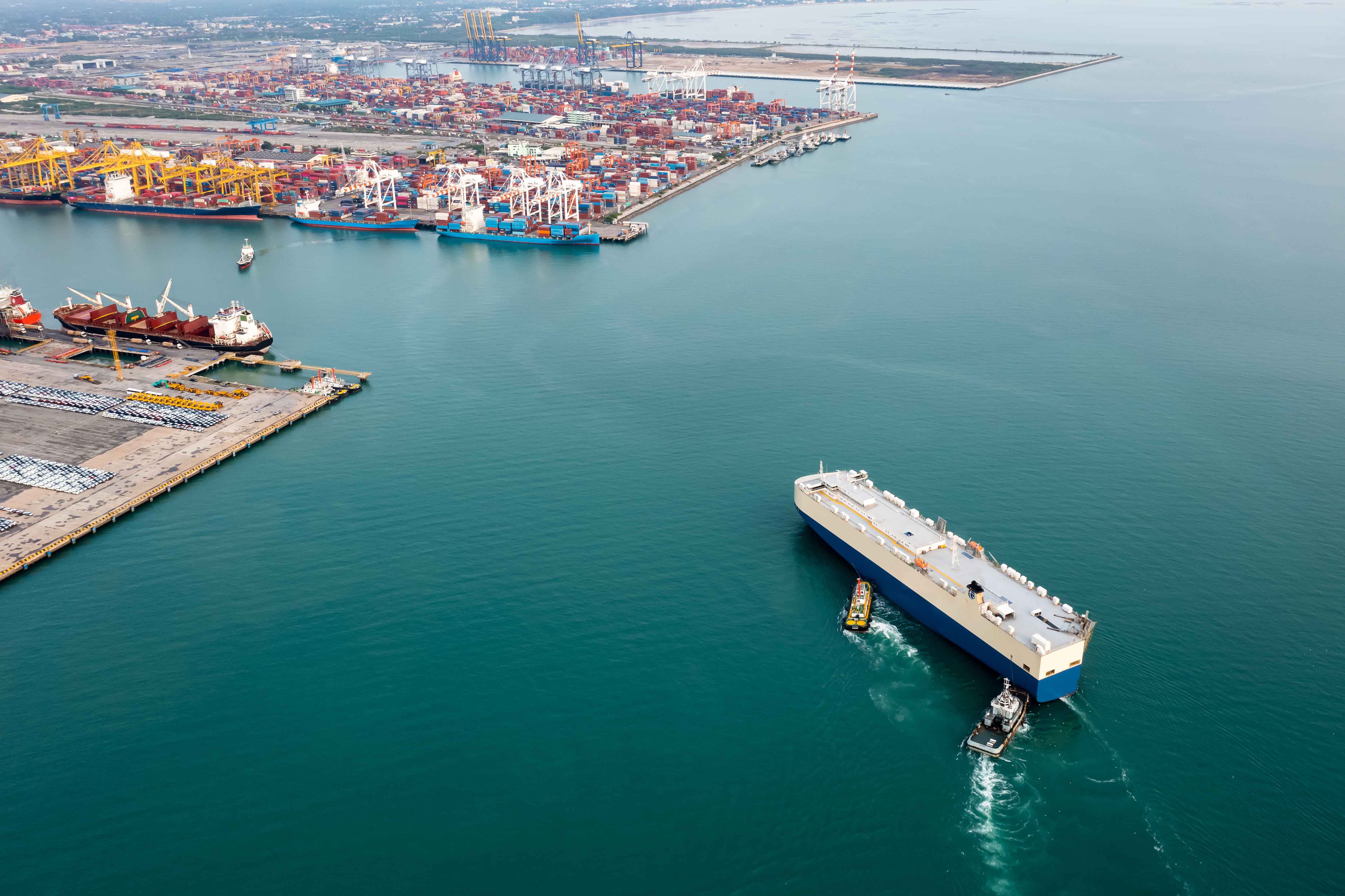
Shipping a vehicle from Australia to New Zealand is one of the busiest trans-Tasman routes. Whether you are relocating, purchasing a vehicle in Australia, or moving commercial stock, thousands of cars, SUVs, Utes, motorbikes, and trucks cross the Tasman each year.
Although the distance is short, the import process requires strict compliance with New Zealand’s rules. You will need export documents, biosecurity preparation, customs clearance, GST calculation, and NZTA entry certification. Missing a single step can delay release or create extra costs.
At Dolphin Shipping, we manage the full journey. Our Australia and New Zealand teams handle export documentation, vessel bookings, MPI clearance, customs entry, transport to compliance, and final delivery through Dolphin Cartage. This guide explains every stage so you can ship confidently and avoid common mistakes.
Step 1: Why Import a Vehicle from Australia?
Wider vehicle choice
Australia’s larger market offers:
• More variants and trim levels
• Strong availability of late-model stock
• Large supply of Utes and SUVs
• Generally good condition due to climate
Shorter transit times
Regular trans-Tasman sailings (fortnightly depending on port) reduce overall wait times.
Competitive pricing
Many buyers find better value on used and dealer stock, especially in 4x4, commercial, and recreational categories.
Simplified compliance
Australian-delivered vehicles often align well with NZTA requirements, making compliance smoother compared with other markets.
Step 2: Preparing a Vehicle for Export in Australia
Before the vehicle can be loaded onto a vessel, several requirements must be met.
Essential documents
You will need:
• Proof of ownership: Original AU registration documents OR change of ownership papers + an invoice or bill of sale
• Purchase invoice or Bill of Sale
• Photo ID
Vehicle cleaning and biosecurity requirements
New Zealand’s Ministry for Primary Industries (MPI) enforces some of the strictest biosecurity rules in the world. The vehicle must be spotless, with zero soil, seeds, insects, or organic material.
Key areas to clean
• Undercarriage and chassis rails
• Wheel arches and suspension components
• Engine bay
• Door jambs and seals
• Boot and spare wheel area
• Carpets, mats, and interior compartments
Vehicle condition for RoRo
For Roll-on Roll-off shipping, the vehicle must:
• Be drivable
• Have working brakes and steering
• Be able to start under its own power
Non-running vehicles can still be shipped but the process is more complicated.
Step 3: Choosing Your Shipping Method
Dolphin Shipping arranges both Roll-on Roll-off (RoRo) and container shipping, depending on your vehicle and requirements.
Roll-on Roll-off (RoRo)
Best for:
• Standard cars
• SUVs and Utes
• Vans and commercial vehicles
• Motorbikes (in designated areas)
Benefits:
• Most cost-effective option
• Faster loading and discharge
• Frequent departures across major Australian ports
• Purpose-built vessels designed for vehicles
Container Shipping
Best for:
• Electric vehicles (only option)
Your Dolphin Shipping coordinator will advise the most suitable method based on vehicle type and export port.
Step 4: New Zealand Import Requirements
Once the vehicle reaches New Zealand, several checks must be completed before release.
1. MPI Biosecurity Inspection
MPI inspects for:
• Soil
• Seeds
• Organic matter
• Plant debris
• Contaminants hidden in wheel arches, carpets, and underbody
If contamination is found, the vehicle must be cleaned and reinspected. This is all arranged by our team on your behalf, and the associated costs are passed on to you.
2. NZ Customs Clearance
Importers must provide:
• Purchase invoice
• Customs client code (if you do not have one, we will get you to complete some paperwork and apply on your behalf).
Taxes and fees
• GST: 15 percent of the landed value (vehicle price + freight package)
• Customs Entry Fee: Standard NZ Customs for lodging an import entry
In-house customs brokerage
Dolphin Shipping manages the full customs entry process on your behalf.
3. NZTA Entry Certification
Every imported vehicle must pass NZTA Entry Certification before it can be registered.
The assessment includes:
• Structural integrity checks
• Safety feature verification
• Emissions compliance
• Brake, suspension, and lighting checks
• Odometer verification (if required)
Dolphin Shipping and Dolphin Cartage coordinate direct delivery from port to your chosen compliance centre.
Recommended partners
• Auckland: Fasttrack Compliance
• Christchurch: Magnum Compliance
Alternatively, you may choose any compliance provider nationwide.
Please note that the compliance process is separate to our service, and you will need to make a separate booking with the compliance centre.
Step 5: Clean Car Standard - NZ Government Charges
Before your vehicle can be registered for road use in New Zealand, you may need to pay for potential CO₂ charges that apply to your vehicle. If the vehicle’s CO₂ emissions are higher than the emissions-to-weight ratio target, a fee will be charged.
As the importer, it is your responsibility to create a CO₂ account using your RealMe account, and ensure all applicable charges are paid at the time of compliance. If you do not have a RealMe account, you will need to create one.
For more information or to create an account, please go to:
https://www.nzta.govt.nz/vehicles/clean-car-programme/clean-car-standard
Step 6: Trans-Tasman Shipping Schedule
Dolphin Shipping operates regular, ongoing sailings from major Australian ports.
Load Ports
• Melbourne
• Port Kembla
• Brisbane
New Zealand Ports of Discharge
• Auckland
• Lyttelton
• Wellington
• Nelson
The route schedule is updated weekly on the Dolphin Shipping website.
Benefits of regular sailings
• Shorter waiting times
• Flexibility around purchase dates
• Reliable vessel rotations
• Faster processing and delivery
Step 7: Compliance, Transport, and Delivery
After MPI and customs clearance, vehicles move directly to a compliance centre.
Dolphin Cartage
Our dedicated transport team provides:
• Safe and secure nationwide vehicle delivery
• Direct transfers from port to compliance
• Home, business, or dealership delivery after certification
This ensures a smooth, coordinated process from vessel discharge to final handover.
Step 8: Common Mistakes to Avoid
1. Inadequate cleaning
Soil or organic matter on the undercarriage is the number one reason for MPI delays.
2. Buying a non-compliant vehicle
Not all Australian vehicles meet NZTA standards. Check with a NZ compliance centre before purchasing.
3. Shipping with personal belongings inside
This is not permitted for biosecurity and insurance reasons.
4. Using multiple companies for different stages
This often leads to delays and communication issues.
Dolphin Shipping and Dolphin Cartage provide a seamless, end-to-end service.
Frequently Asked Questions
1. What happens if my vehicle is still under finance in Australia?
Australian finance companies will not allow export while a vehicle is encumbered. You must provide proof of clear title before the vehicle can be shipped. Dolphin Shipping cannot load a vehicle with outstanding finance.
2. Can Dolphin Shipping collect a vehicle from a private seller or home address?
Yes. Our Australian logistics partners can collect from dealerships, auction yards, or private addresses.
3. What if the vehicle fails MPI on arrival in New Zealand?
MPI will issue a failed inspection notice. The vehicle is taken to the cleaning facility on port, cleaned, and then reinspected. Dolphin Shipping arrange this on your behalf, and pass along the associated costs to you.
4. How are motorhomes, caravans, and trailers handled?
These larger units often require allocated deck space on specific vessels, and the dimensions must be accurate.
5. Can I ship spare wheels, tools, or accessories inside the vehicle?
Non-fixed items are not permitted. Fixed accessories (tow bars, roof racks, bull bars) are acceptable. Loose parts must be removed or shipped separately as cargo.
6. Can the vehicle go straight to my home instead of a compliance centre?
Yes, but you will not be able to drive the vehicle on NZ roads yet. All imported vehicles must complete entry certification before they will be legal for use on NZ roads.
Why Choose Dolphin Shipping
• Regular trans-Tasman sailings
• End-to-end vehicle logistics
• In-house customs brokerage
• Direct delivery to compliance centres
• Trusted NZTA-approved compliance partners
• Transparent documentation and reliable communication
Ready to ship your vehicle from Australia to New Zealand?
Contact Dolphin Shipping and let our team manage the entire process with care, accuracy, and efficiency.
.png)

